Halloween Visions or Hallucinogens?

At this time of year, you may be seeing ghosts, goblins, or other spooky characters—or are you? Maybe it’s the fun Halloween costumes on parade, or maybe, it’s the hallucinogenic drugs. LSD, or Lysergic Acid Diethylamide, usually comes to mind first when thinking of psychedelics. Perforated sheets of “Blotter Art” soaked with liquid LSD allowed for individual tabs to be placed under the tongue or swallowed for the “trip” of a lifetime. A psychedelic trip could include vivid dreams, altered reality, shifts in emotion, “hearing” colors, and time distortion.
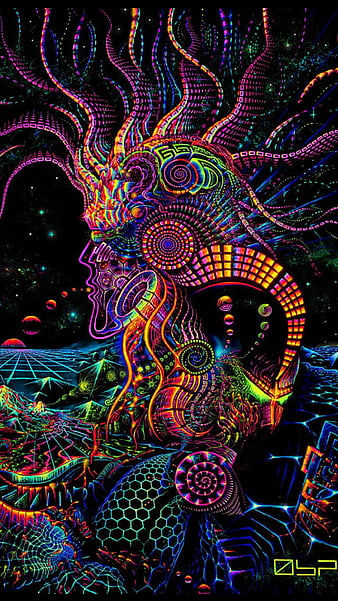
LSD is highly potent, and its hallucinogenic effects are thought to alter dopamine and serotonin activity in the brain through the 5-HT2 (serotonin) receptor, a chemical docking center that can either be activated or blocked. Neurotransmitters like dopamine and serotonin help modulate moods, reward processing, movement, and emotional stability. In addition to psychedelic effects, users on “acid” may have symptoms of sympathetic nervous system activation (fight-or-flight) such as mydriasis (dilated pupils), tachycardia (fast heart rate), psychosis (a disconnection from reality), hyperthermia (elevated body temperature), agitation, and paranoia. Additional negative side effects have been described, including nausea, vomiting, headache, anxiety, terror, and life-threatening complications. Other recreational drugs that produce similar effects are ecstasy or Molly (MDMA or 3,4-methylenedioxy-methamphetamine) and bath salts like Vanilla Sky (synthetic cathinones like mephedrone or 4-methylmethcathinone), both more commonly used today than to LSD.
While many hallucinogenic compounds are synthesized, they are also found naturally in
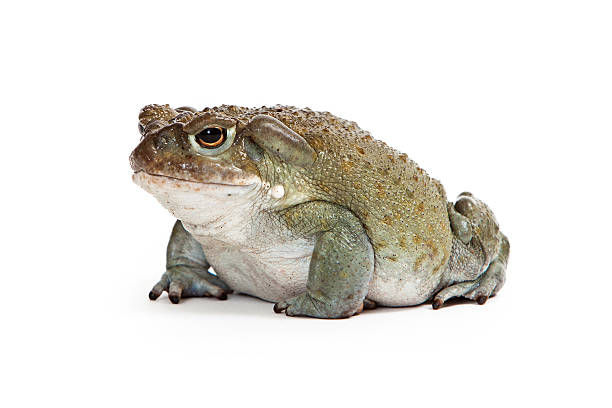
specific animals and plants. The Colorado River Toad, also known as the Sonoran Desert Toad (Incilius alvarius, previously Bufo alvarius), is a bland gray-green amphibian that secretes bufotenin (5-hydroxy-N, N-dimethyltryptamine, or 5-MeO-DMT). This toxin can also be synthesized in the laboratory. The glands in the toad's skin contain this naturally occurring tryptamine derivative and can be milked by squeezing the toad just behind the “ears.” This has led directly to “toad licking,” and to smoking the dried powdered toxin, or even dried toad skin, to produce vivid images and intense emotions. Hallucinogenic effects are usually felt quickly. However, the toad’s skin also contains a digoxin-like cardiac glycoside compound that can cause unexpected heart side effects. This toxin can stop the heart by blocking the sodium-potassium pump, which helps conduct electrical signals through heart muscle.
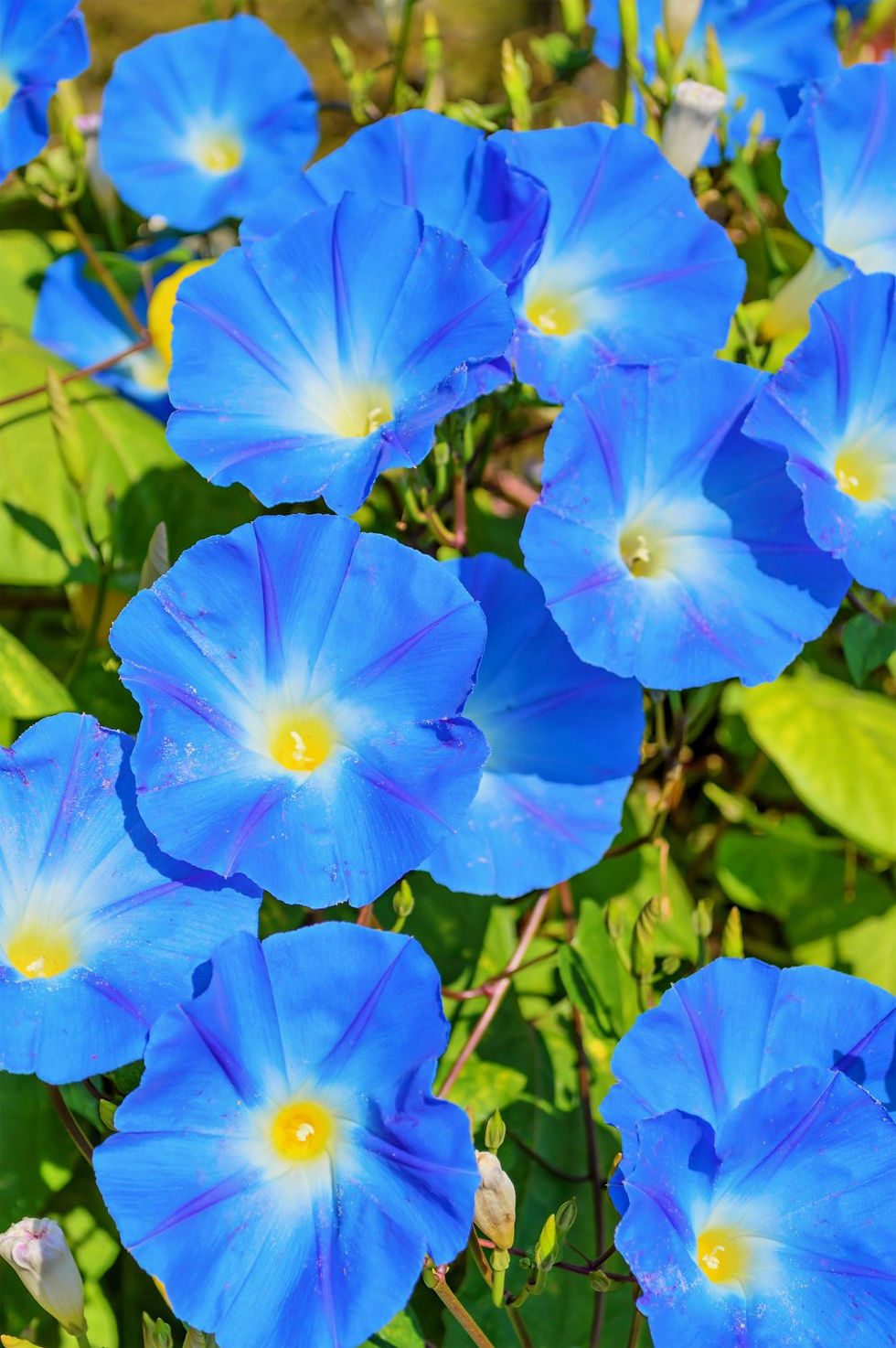
Specific plants also produce hallucinogenic effects, and many have cultural meaning, having been used for thousands of years by indigenous peoples for ceremonial and medicinal purposes. For example, some Native American cultures use mescaline (3,4,5-trimethoxyphenethylamine) from the peyote cactus; some South American cultures use DMT (dimethyltryptamine) obtained from the plant Psychotria viridis and usually mixed with Banisteriopsis caapi vine to make ayahuasca; while some South African cultures use ubulawu—primarily triterpenoid saponins found in the African Dream Root, Silene capensis or Silene undulata. Perhaps better known are psilocybin (4-phosphoryloxy-N-N-dimethyltryptamine) from the Psilocybe “magic” mushrooms, LSA (D-Lysergic acid amide), another psychoactive compound from the seeds of the beautiful morning glory Ipomoea (especially Ipomoea tricolor or Heavenly Blue), and myristicin (nutmeg, methoxysafrole) from the fruit of the Myristica fragrans tree.
There are naturally occurring psychedelics (psilocybin and DMT, for example) that are under continued investigation for their potential psychopharmacological use, particularly in psychiatric or post-traumatic stress disorder (PTSD) patients. Since they have structural similarities to serotonin and an affinity for the serotonin receptor, these psychedelics have been effective in treating major depression, anxiety, and substance use disorders.
Psychedelics have a long history of use and misuse throughout the world. While they can provide enlightening visions and, under medical care, can assist with psychotherapy, they can also cause serious adverse effects. As long as you have avoided blotter paper, toads, and mushrooms, chances are those visions you see wandering the night at this time of year are the neighborhood kids having some Halloween fun.
See also The Poison Blog: A Witches’ Brew (ergot alkaloids) and What’s That in Your Pumpkin Pie? (myristicin)